






Latest · Carbon credit markets and passive carbon accumulation
Loading content…
Loading content…
Latest · Carbon credit markets and passive carbon accumulation
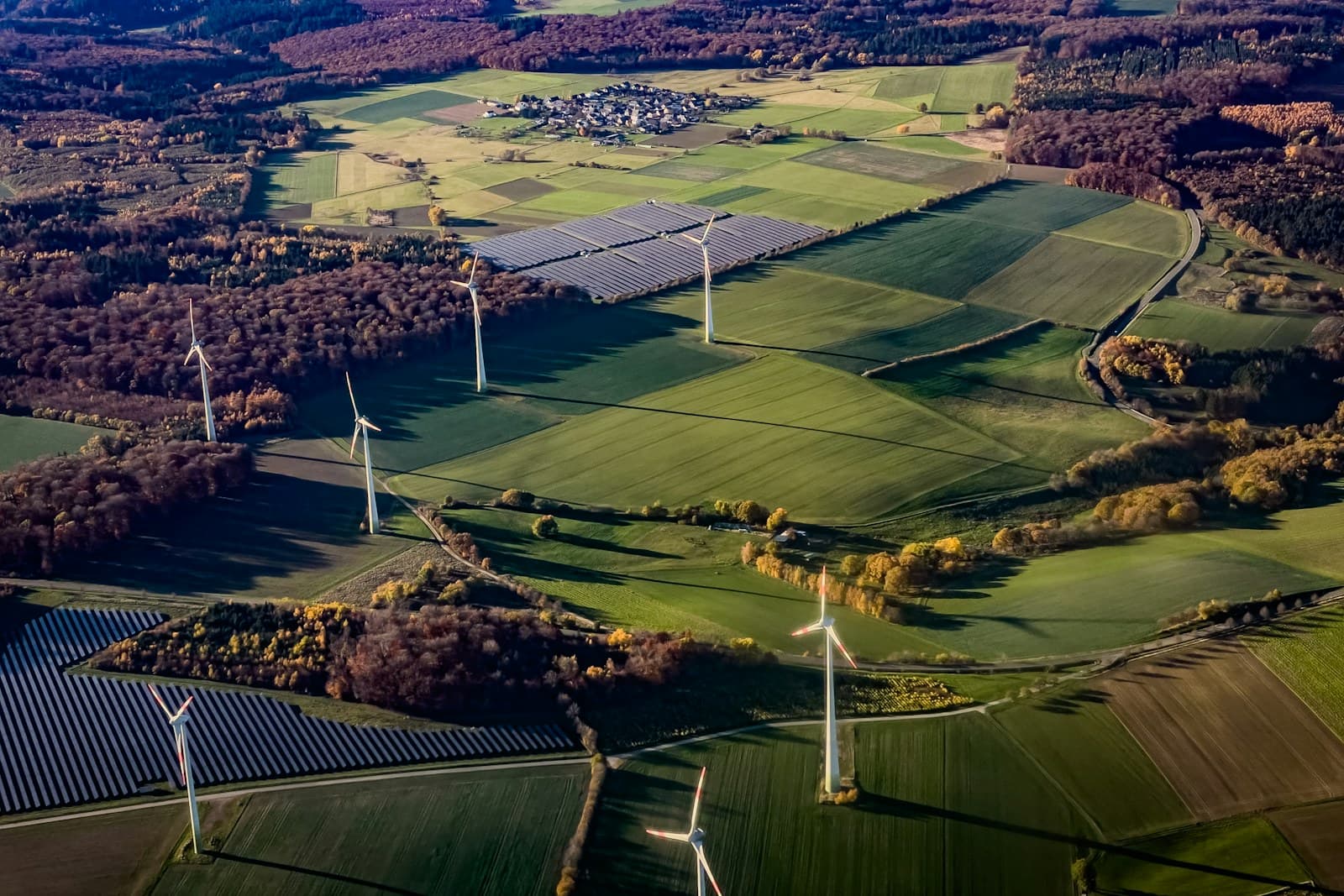
Low-carbon industrial parks
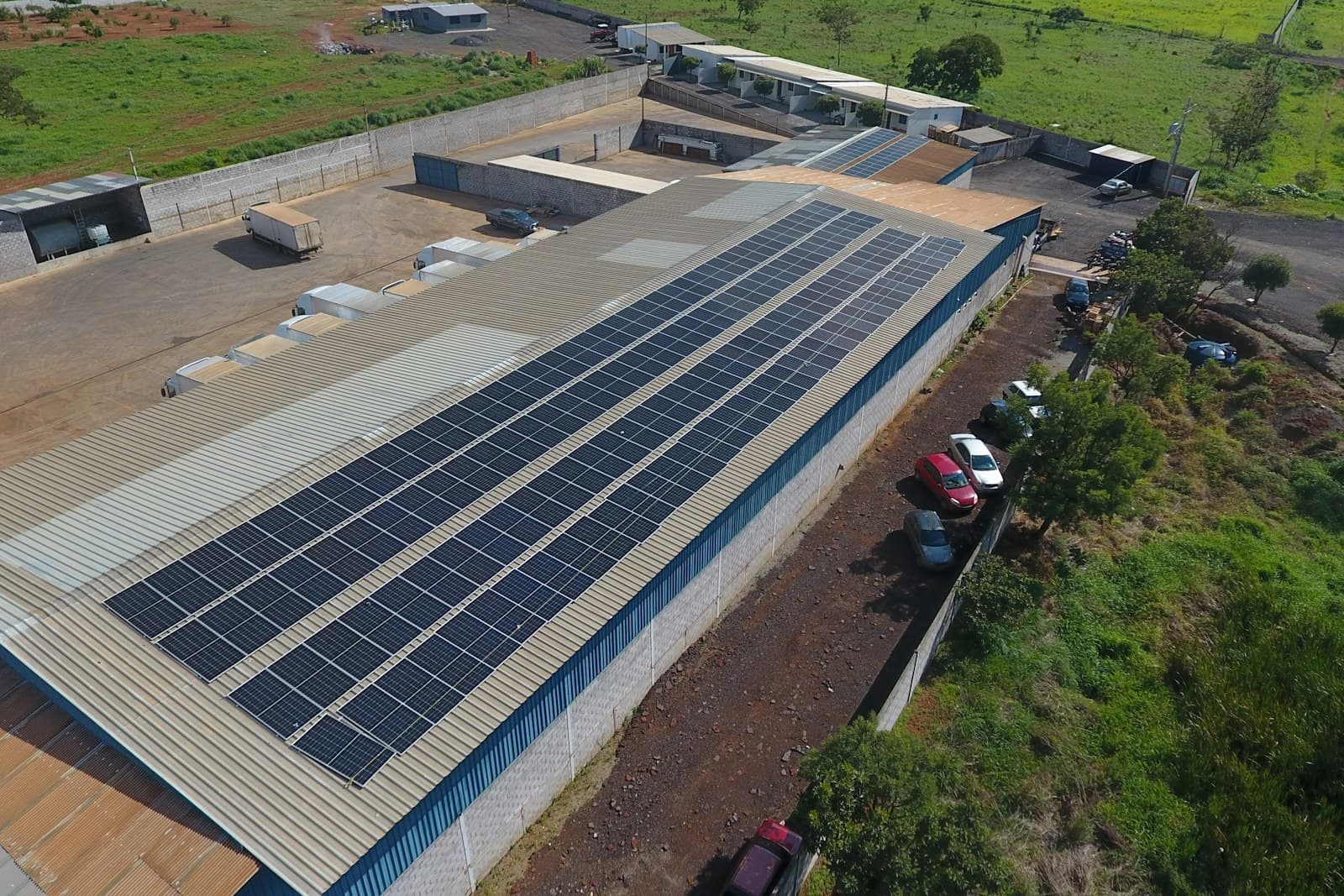
An industrial park cannot become low-carbon simply by installing rooftop solar panels or adding more green space. Behind the model is an ecosystem linking companies, infrastructure, energy, resources, data, and governance, with emissions measured and reduced across the entire park.
Read moreEPR and low-carbon transition
From 25 May 2026, Decree No. 110/2026/ND-CP officially takes effect, creating a dedicated legal framework for extended producer and importer responsibility (EPR). Beyond clarifying which businesses are subject to the rules, how much must be recycled and how obligations can be fulfilled, the new regulation establishes more transparent mechanisms for data…
Read moreLow-carbon industrial parks
Pressure to cut emissions is moving closer to every factory, from domestic greenhouse-gas inventory requirements to increasingly stringent carbon standards in international markets. But knowing that emissions must fall is one thing; turning that goal into tonnes of CO₂ actually avoided is another. For many manufacturers, the bottlenecks sit directly in…
Read moreLow-carbon policy and governance
Having a greenhouse-gas inventory report does not mean a company has already reduced emissions. The real value of an inventory appears when CO₂ data are used to identify the largest emission sources, select suitable solutions, and turn them into concrete investment plans. So after completing an inventory, where should a company begin its…
Read more