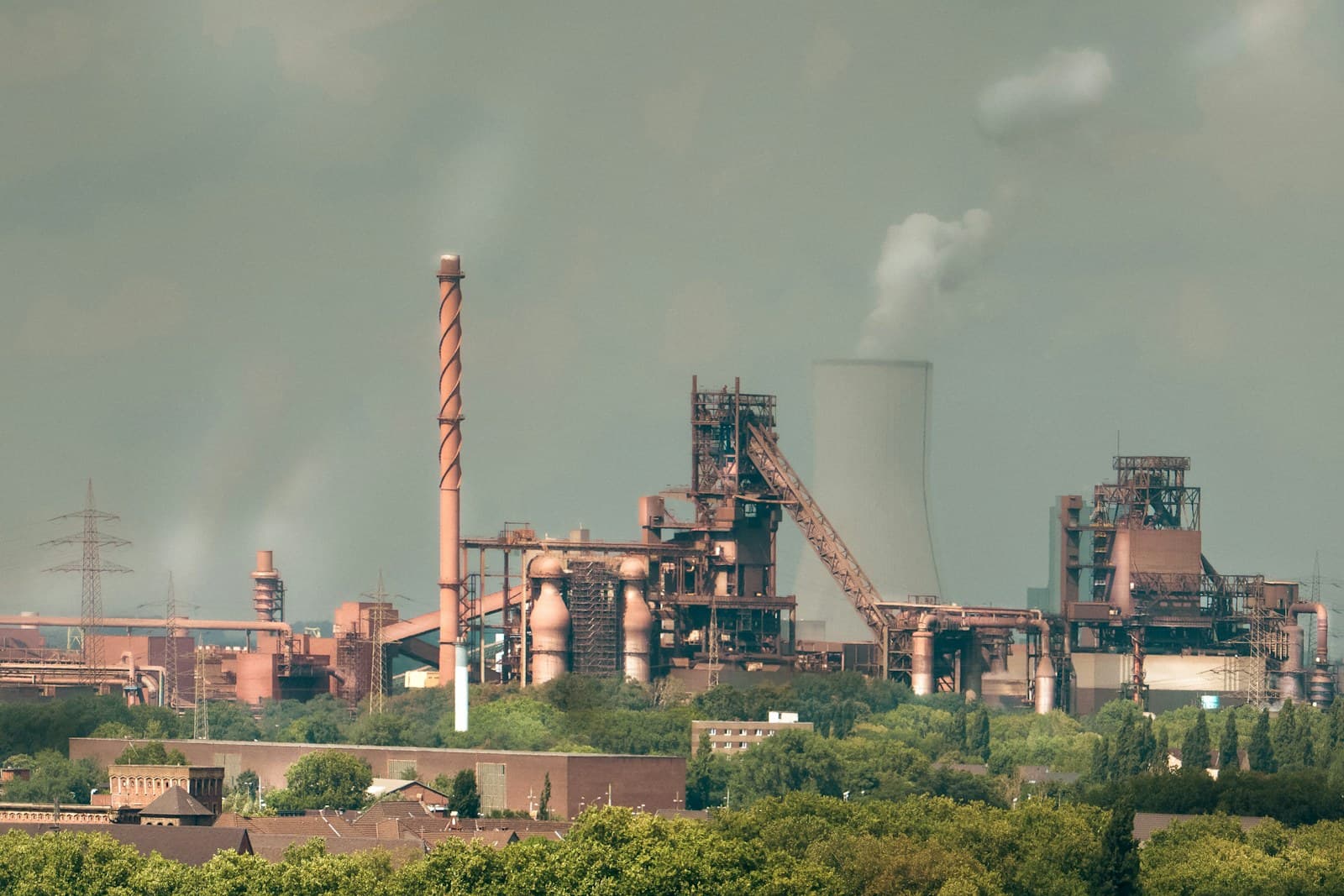







According to reporting by Dân trí, more than 511 million tonnes of CO₂ equivalent in emissions allowances have been allocated to 110 facilities operated by 92 businesses in thermal power, iron and steel, and cement. Allocation for 2025–2026 turns allowances from an administrative target into an asset that can be quantified and traded on a centralised market.
An asset accompanied by a surrender obligation
The article notes that an allowance is not an asset that can be accumulated indefinitely. Businesses must track actual emissions, ensure their data can be verified and fulfil surrender obligations on time. Surplus allowances create value only when a facility achieves real emissions reductions and fully complies with transfer rules.
This makes the quality of measurement, reporting and verification systems the foundation for every decision. Incomplete data can cause a business to misjudge its allowance balance, miss an obligation or lose a trading opportunity.
Emissions reductions can create an operational advantage
As reflected in the Dân trí report, carbon opportunities are not limited to forest-planting projects. Improvements in material circularity, waste management, energy efficiency and on-site emissions reductions can also create value when they are measured against suitable standards.
For businesses, the key message is to treat carbon data as part of cost management and production performance. Organisations that standardise data early will be better positioned to meet domestic obligations, supply-chain requirements and opportunities in the carbon market.
Source
This news item summarises and cites a Dân trí article. Readers can access the full article through the link in the References section below.