




Net Zero is appearing more and more often in national policies, corporate strategies, and sustainable-development programmes. The term is commonly translated as “net-zero emissions”, but that does not mean every source of emissions must disappear completely. So what does Net Zero actually mean?
What is Net Zero?
Under the Intergovernmental Panel on Climate Change (IPCC) approach, Net Zero is the state in which human-caused greenhouse-gas emissions to the atmosphere are balanced by human-caused removals of greenhouse gases from the atmosphere over a specified period.
It can be expressed with a simple formula:
Net emissions = Total emissions – Total removals
When the result is zero, a state of net-zero emissions has been reached.
For example, an organisation may have cut most of its emissions but still have a small residual amount that cannot yet be eliminated because of technological constraints. To reach Net Zero, it must balance those residual emissions with an equivalent amount of greenhouse gases removed from the atmosphere.
The key word is “net”. Net Zero does not require absolute gross emissions to fall to zero, but it does require the emissions that remain after deep reductions to be fully balanced.
Why does Net Zero not mean stopping all emissions completely?
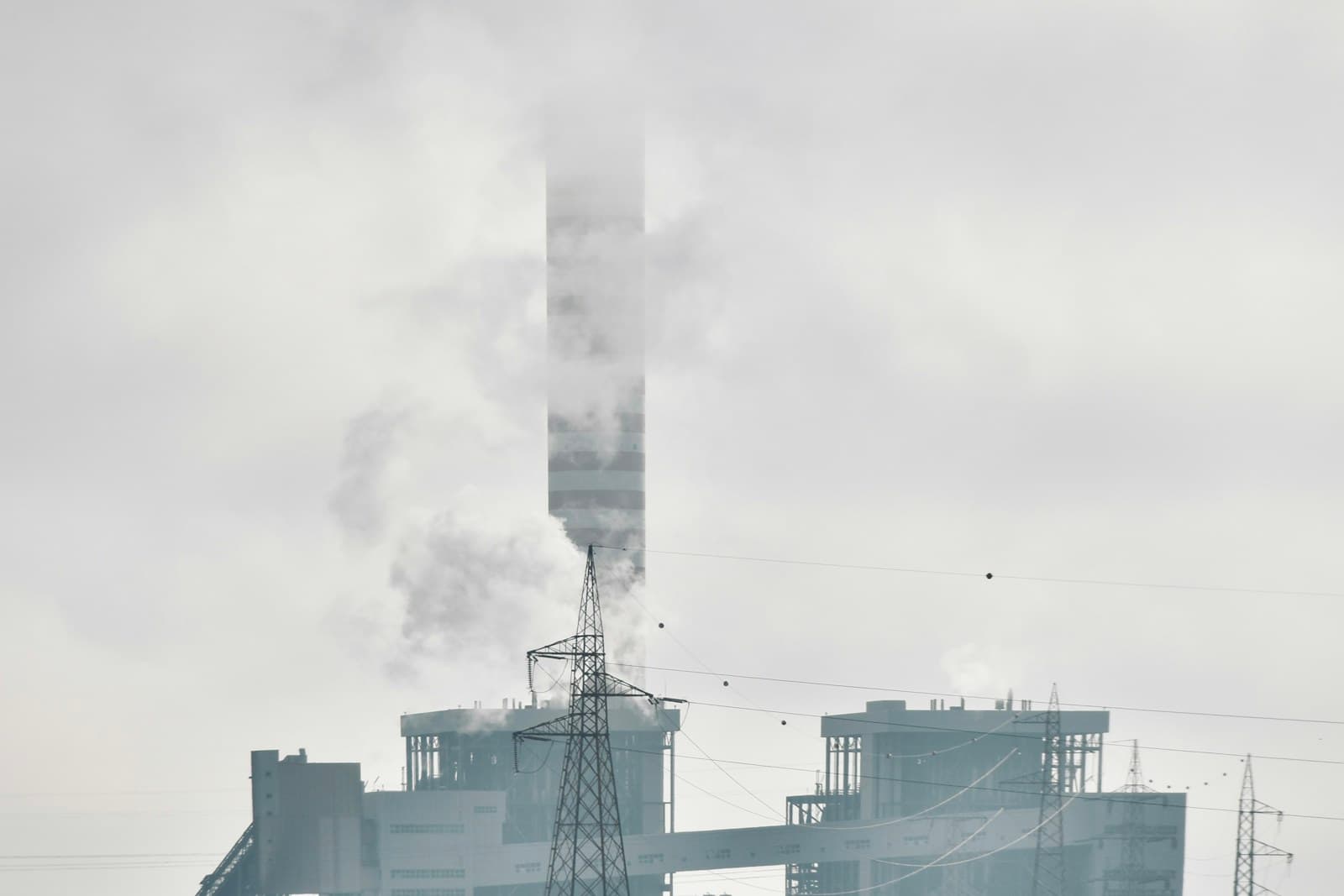
In practice, eliminating every emission from every economic activity is extremely difficult. Sectors such as cement, steel, aviation, shipping, and agriculture may still generate hard-to-abate emissions even after the best available measures have been adopted.
Reaching Net Zero therefore usually involves two major steps.
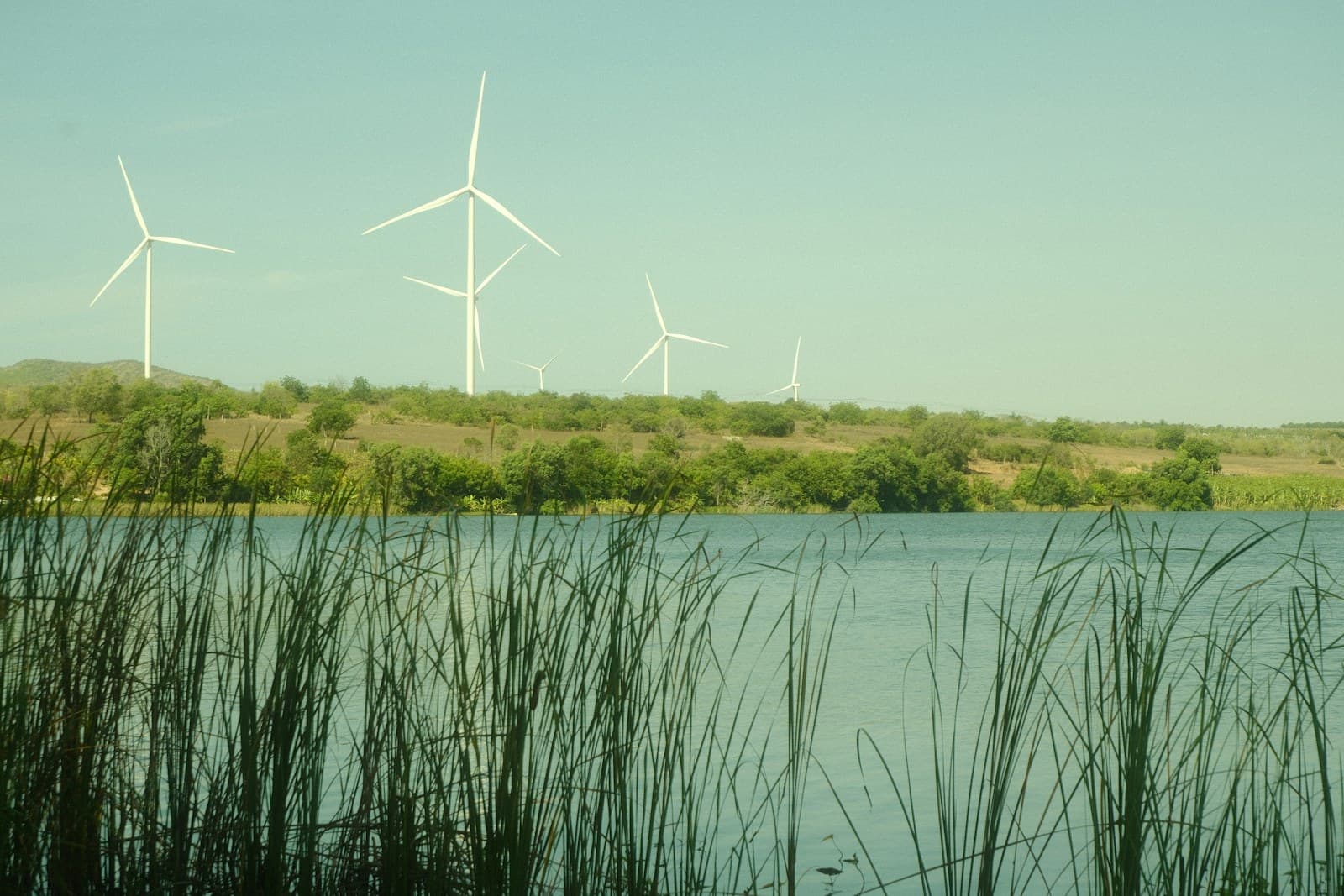
First, countries and organisations must reduce emissions as deeply as possible through energy efficiency, renewable energy, technological innovation, electrification, process improvements, and changes in production and consumption patterns.
Only then should genuinely hard-to-eliminate residual emissions be balanced through carbon absorption or removal measures.
These measures may be nature-based, such as protecting and restoring forests, soils, or ecosystems, or technology-based, such as directly capturing CO₂ from the air and storing it for the long term. Each option differs in durability, cost, and measurability.
The IPCC identifies carbon dioxide removal as necessary for addressing residual emissions that are difficult to abate. However, removals cannot substitute for rapid and deep emissions reductions.
Is Net Zero the same as carbon neutrality?
“Net Zero” and “carbon neutrality” both refer to balancing emissions, but the two terms can be used differently in practice.
Carbon neutrality is sometimes applied to a product, activity, or short period in which emissions are calculated and then offset with carbon credits. Net Zero is generally understood as a more comprehensive transition that requires an organisation to cut emissions substantially across the relevant scope before addressing the residual amount.
For that reason, the label alone is not enough to determine whether a commitment is credible. What matters is the accounting boundary, the amount of direct reduction, the quality of the data, and the method used to balance residual emissions.
Can Net Zero be achieved simply by buying carbon credits?
A common misconception is that an organisation can continue emitting at a high level, buy carbon credits afterwards, and then claim to have achieved Net Zero.
Without direct emissions cuts, this approach can undermine the integrity of a Net Zero target.
Carbon credits can play a supporting role, but their quality depends on several conditions: the claimed reduction or removal must be real, measurable, verified, not double-counted, and durable for an appropriate period.
A credible pathway should prioritise actions in the following order:
- Build a greenhouse-gas inventory and identify all major emission sources;
- Set phased emissions-reduction targets;
- Cut emissions directly across all controllable parts of the footprint;
- Monitor, report, and verify results;
- Use high-quality removals or credits only for emissions that are genuinely difficult to avoid.
What does a credible Net Zero commitment need?
Announcing a date such as 2050 is not enough to make a high-quality commitment. A Net Zero pathway should answer several basic questions clearly.
What is the boundary? Does the commitment apply to an activity, a product, an organisation, a value chain, or an entire economy?
Which gases are included? CO₂ only, or all greenhouse gases?
How is the baseline defined? Against which year are reductions measured, and on what data are they based?
What are the interim targets? How much will the organisation reduce by 2030, 2035, or 2040?
What direct-reduction measures will be used? A commitment needs to be linked to an action plan, resources, and accountable owners.
How will the remaining emissions be addressed? Carbon removals or credits should be disclosed transparently.
How will results be verified? Data should be monitored, reported, and verified using an appropriate methodology.
Without these elements, a Net Zero claim may remain little more than a communications message and increase the risk of greenwashing.
Net Zero starts with measurement
For an organisation, the first step on a Net Zero journey is usually a greenhouse-gas inventory. It helps identify where emissions come from, which sources account for the largest shares, and where data gaps remain.
Using the inventory results, the organisation can establish a baseline, set targets, select emissions-reduction measures, and track progress.
For individuals, understanding Net Zero makes it easier to assess environmental claims, choose products more responsibly, and recognise their own role in the green transition.
Net Zero is not a promise that all emissions will disappear. It is a process of cutting emissions rapidly, deeply, and systematically before balancing the genuinely hard-to-avoid remainder with sufficiently credible solutions.
References
- Climate Change 2021: The Physical Science Basis — Chapter 1 — IPCC
- Emissions Gap Report 2021 — The Heat Is On — United Nations Environment Programme
- The Climate Dictionary: Net zero — United Nations